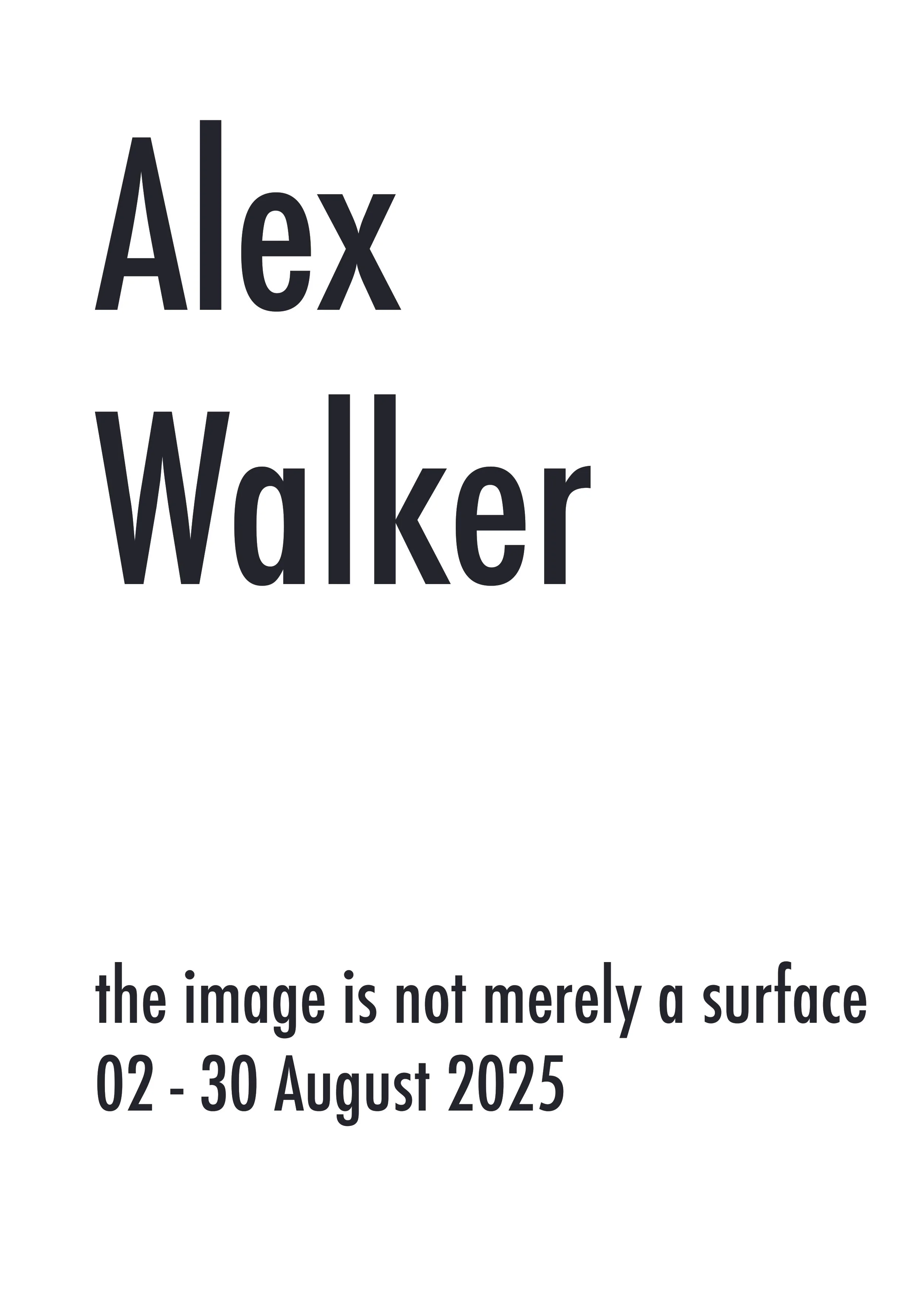

the image is not merely a surface
Photography is a truthful medium, as far as anything is truthful. It shows us what the camera sees. It makes a record of light, bouncing off surfaces. Of course, what is made of that truth is anybody’s guess—photographs are never really fixed in terms of their actual meaning. That would be far too easy.
You could also say that photographs embody time. The span of time that the camera shutter is open—usually just part of a second, sometimes much longer—is captured by the machine.
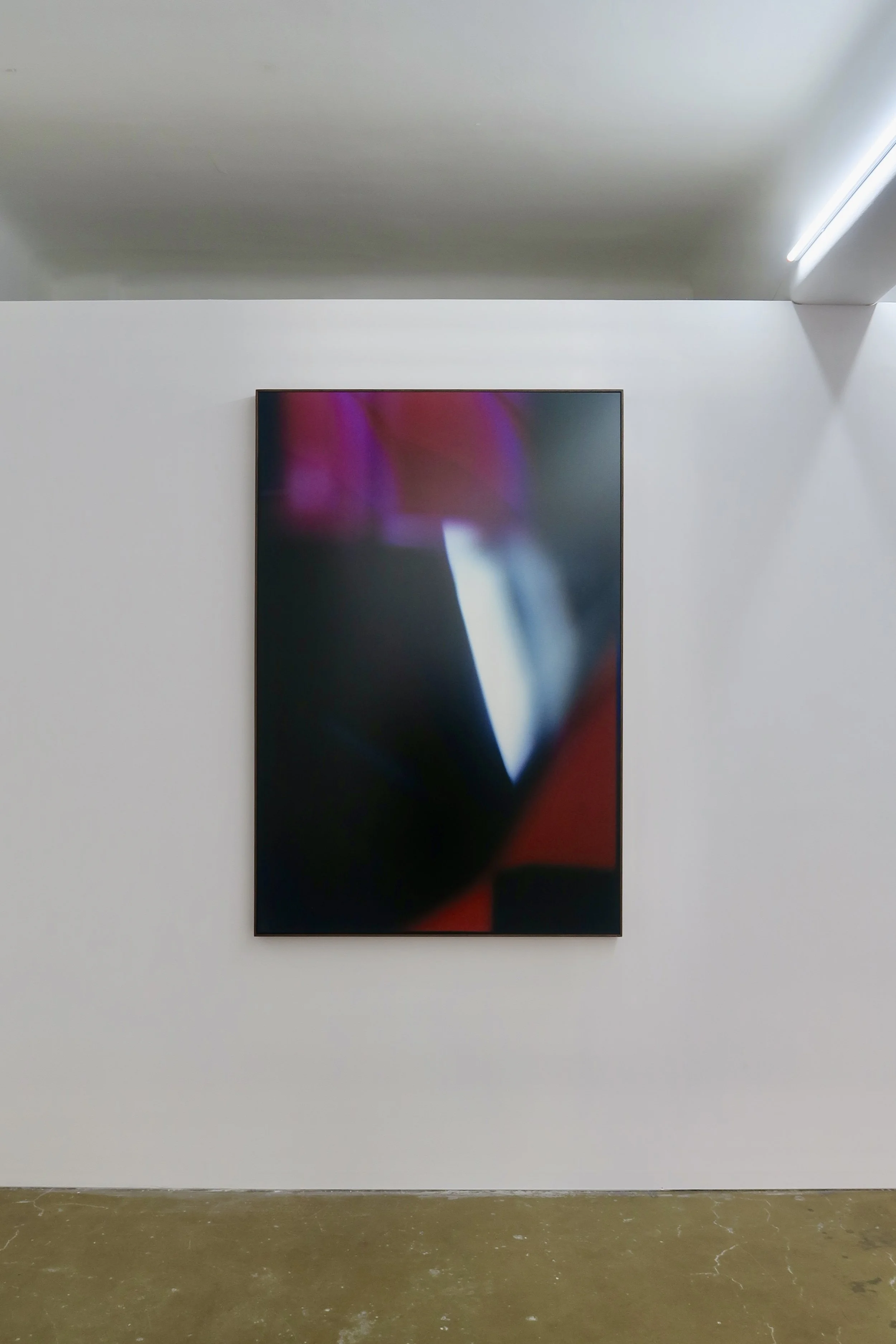
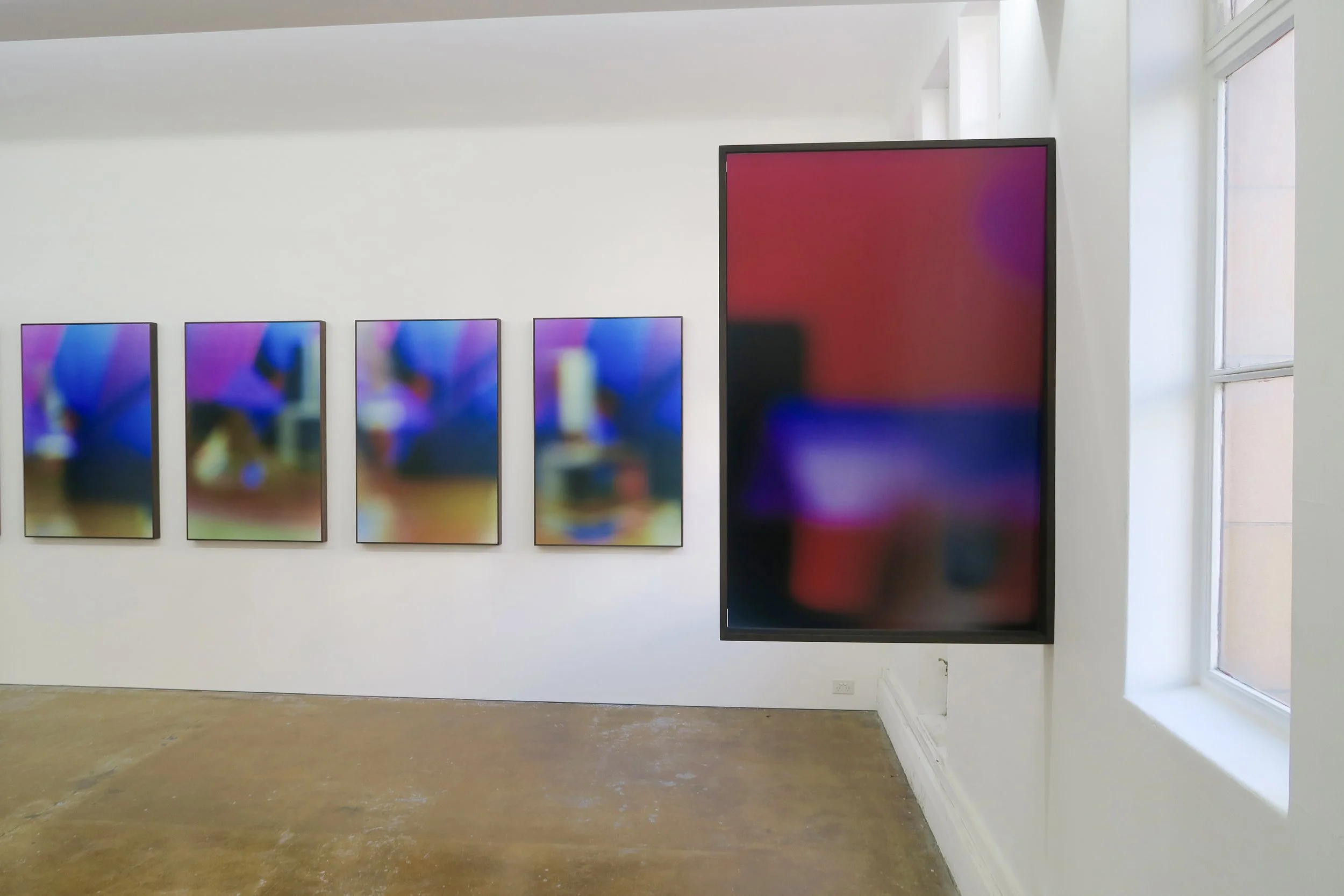
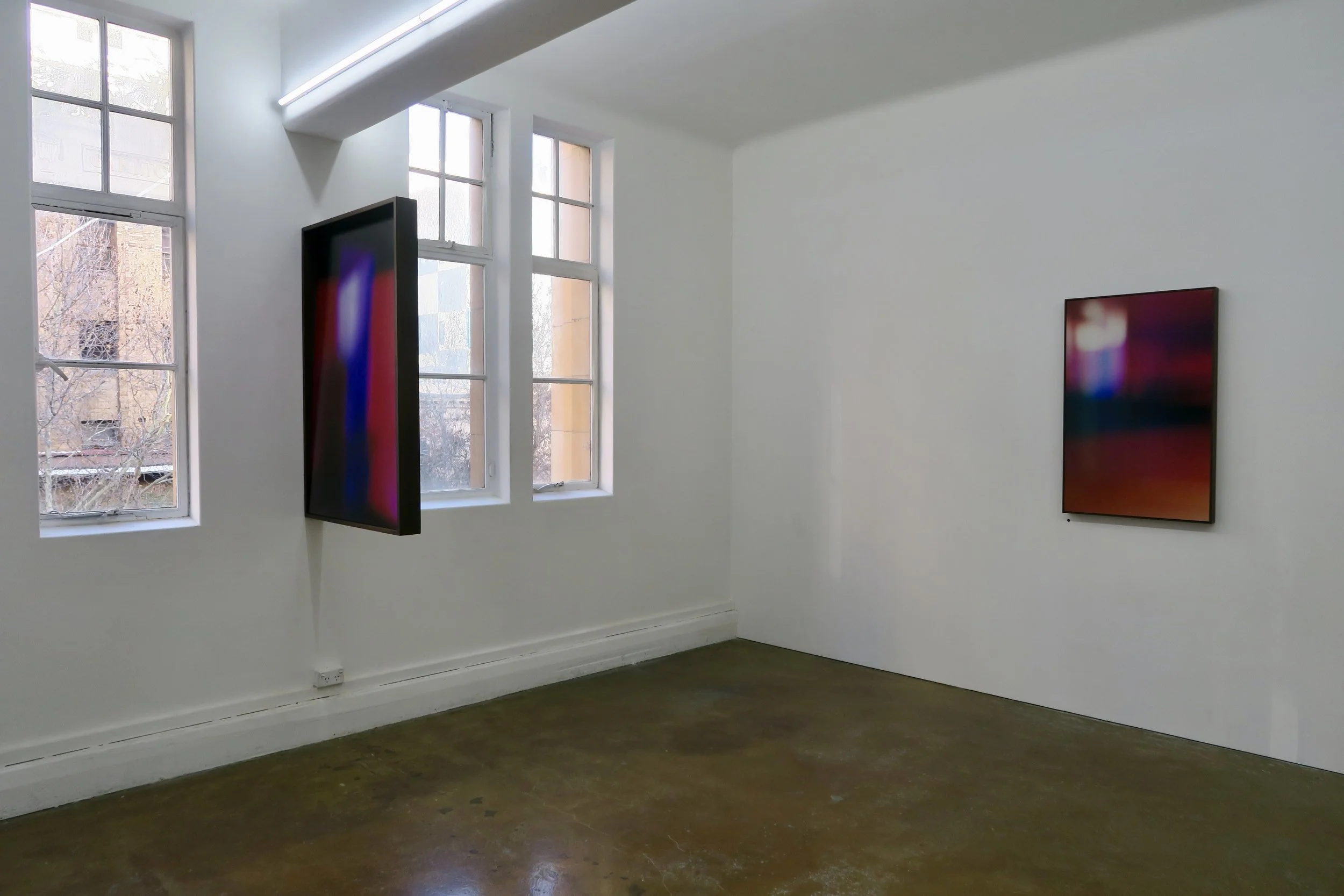
There is a second, very conscious engagement with time in these grainy, dreamy, hazy photographs. Not only do Alex Walker’s images hold what was in front of the camera when the shutter opens, they also embody the time that Alex spends exposing unwieldy pieces of photographic paper to the selective beams of light under her enlarger.
The darkroom is a place in which it feels natural to consider time. You choreograph your movements between the enlarger and the waiting baths of chemicals and water. You hold numbers and sequences in your brain, but also in your muscles and your movements. Acting out the same routine again and again, testing and perfecting it for the outcome you’re seeking. These movements and their duration are latent in these final images, never to be exactly replicated.
In this sense, these artworks are both very consciously photographs, and also only tangentially related to it. They push away a few key tenets of photography—the telling of stories through figurative representations of the world and the capacity for serialisation. As unique images, they are indexical, but not in the way that you might expect.
Then, there is a third layer of time enmeshed within these works… or perhaps emanating from them. That is the time that they are given by the viewer.
Leaving the chill of the street, huffing up the stairs into the prism of the gallery where Alex’s works are arranged, your time has already started. Breath slowing, there’s space to move between the images. They might seem to be a suite, or a set of separate encounters. They’re domestic, interstellar, internal, analogue all at once. They’re evocative of the notion that Olafur Eliason articulates as ‘seeing yourself seeing’. You can slow down. Bring what you will to the encounter with fields of colour and light. Leave with something different from the next person. This is their final layer.
Photography is a truthful medium, as far as anything is truthful. It shows us what the camera sees. It makes a record of light, bouncing off surfaces. Of course, it’s not merely a surface. It’s time. It’s an encounter. It’s a lens through which we can behold a thing.
Pippa Milne | Curator, Photo Australia